Loading...
Serving Flagstaff, AZ and surrounding areas. (928) 326-9529
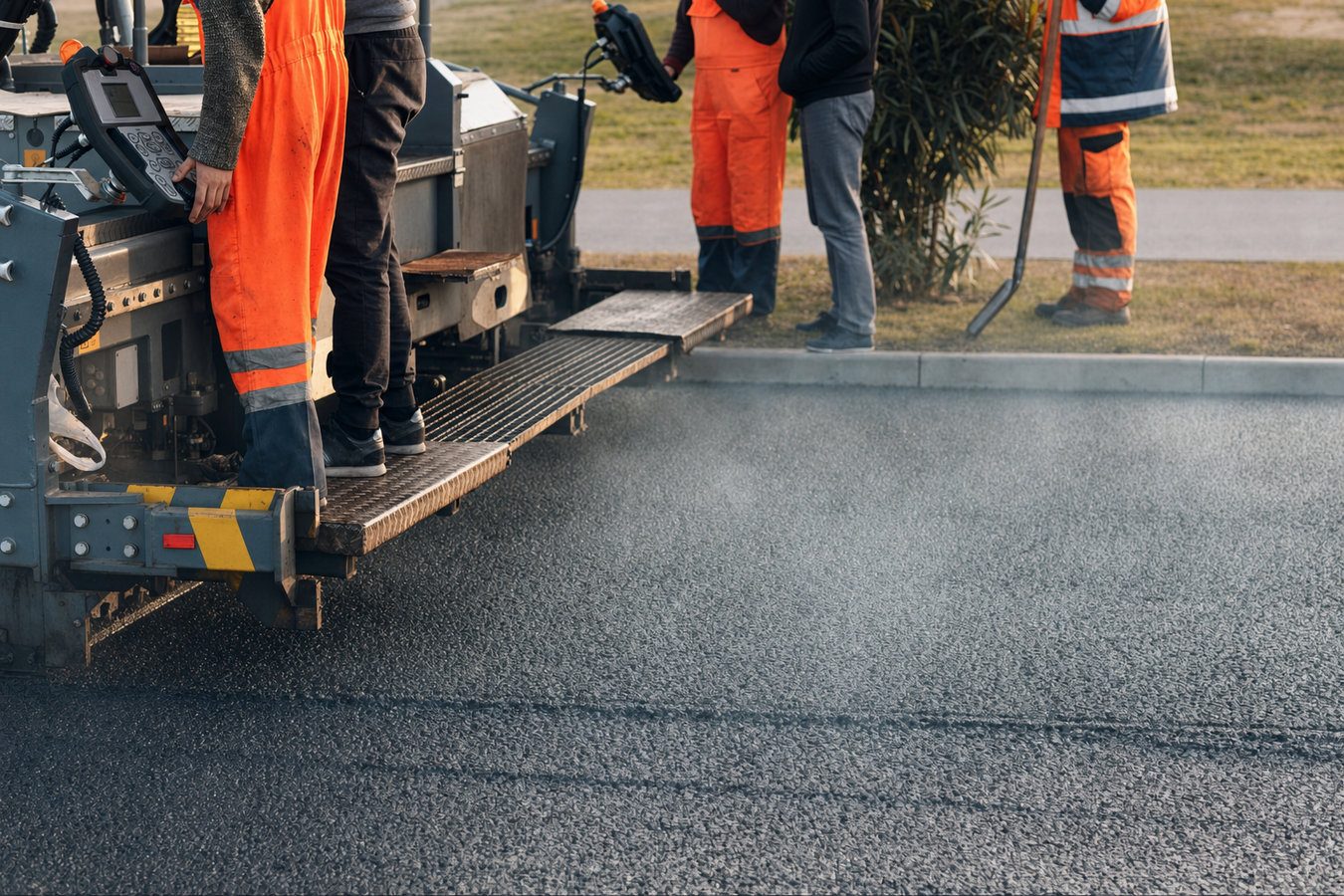
Skip the cost of full replacement. If your base is still solid, resurfacing lays fresh hot-mix asphalt over what you have, restoring a smooth surface that handles Flagstaff winters.
Asphalt resurfacing in Flagstaff means laying a fresh layer of hot-mix asphalt over your existing surface, keeping the old material in place while restoring a smooth, solid top layer - most residential driveways are completed in a single day with driving access restored within 24 hours.
Resurfacing works best when the base beneath your pavement is still stable and solid. If the underlying ground has shifted significantly or the old asphalt has deep structural failure throughout, a full replacement may be the better call. A good contractor checks the base before recommending which approach fits your situation. Pairing resurfacing with pothole repair for any isolated failed sections before the overlay goes down produces a more durable final result.
In Flagstaff, resurfacing is one of the most cost-effective ways to reset an aging driveway or parking surface without the expense and disruption of a complete tear-out. The freeze-thaw cycle here is relentless, and a properly resurfaced surface with sealed edges and good drainage gives you the best foundation to go into winter with confidence.
If you noticed a few small cracks last fall and they have grown or branched out after winter, that is freeze-thaw damage doing its work. Flagstaff's repeated freeze-thaw cycles turn hairline cracks into networks of damage quickly. Resurfacing now, while the base is still solid, stops that progression before it becomes a full replacement job.
Fresh asphalt is dark and slightly flexible. When it turns gray and starts to feel brittle underfoot, the binder has oxidized and the surface has lost its protective qualities. At Flagstaff's elevation, UV exposure accelerates this process, so a driveway that looks aged may be more vulnerable than it appears.
Standing water after rain or snowmelt is a sign the surface has settled unevenly. In Flagstaff, pooled water freezes in winter and works its way deeper into the pavement. Low spots that drain poorly are both a tripping hazard and an early warning that the surface needs attention.
The edges of a driveway take the most stress and are usually the first to fail. If you see chunks breaking off along the sides, or the edge has dropped below the surrounding soil, the surface is losing structural integrity. Catching this at the edge stage, rather than waiting for the center to follow, is the right time to resurface.
Our resurfacing work starts with a thorough base assessment, because laying new asphalt over a compromised base is money wasted. Once we confirm the base is sound, the crew cleans the existing surface, patches any isolated failed sections, and applies a tack coat to bond the new layer. We then lay and compact hot-mix asphalt in a consistent thickness across the entire surface, with attention to edge work and drainage slope. For Flagstaff properties, we also account for the ponderosa pine root systems that run beneath many residential lots and can cause localized heaving.
After curing, we strongly recommend asphalt milling as a preparatory step for surfaces with significant height differential at transitions or curb connections. We handle the full scope - from initial assessment through post-cure sealing recommendations - so you have one point of contact from start to finish.
Suits homeowners with a stable base whose surface has grayed, cracked, or developed edge failure.
For property managers whose parking surface has aged but whose base is still sound.
Combines resurfacing with regrading low spots to address pooling water before the new layer goes down.
Best for any Flagstaff surface where the owner wants maximum UV and moisture protection from day one.
Flagstaff sits at roughly 7,000 feet, which means genuine winters with repeated freezing and thawing - water seeps into small cracks, freezes, expands, and widens those cracks over and over through the season. This freeze-thaw action is the single biggest enemy of asphalt in Flagstaff, and it is why resurfacing here needs to be done right the first time, with proper compaction and edge sealing. The paving season is also short: hard frosts can arrive as early as October and linger into April or May, leaving a practical window of roughly late spring through early fall. Property owners in Mountainaire and other surrounding communities face the same compressed season and the same UV and freeze-thaw pressures.
The volcanic geology common across the Flagstaff area includes expansive clays that shift with moisture. When the ground beneath a driveway moves, it stresses the pavement above. A contractor familiar with local soil conditions checks the base carefully before resurfacing - if the base is compromised, resurfacing alone will not hold. Beyond soil issues, the intense high-altitude UV radiation here breaks down asphalt binder faster than at lower elevations, which is why sealing a freshly resurfaced surface within a few months is more critical in Flagstaff than almost anywhere else in the state. Homeowners in Doney Park and similar areas consistently see faster surface degradation than lower-altitude neighbors in the Valley, making proactive resurfacing the cost-effective choice.
Describe your surface, when it was last paved, and what you are seeing. We reply within one business day and schedule a free on-site visit before giving any written estimate.
We walk the surface and check whether the base is stable, look for soft spots or drainage issues, and tell you honestly whether resurfacing is the right call or whether deeper work is needed first.
The crew cleans the surface, patches any failed sections, applies a bonding tack coat, then lays and compacts hot-mix asphalt. Most residential driveways are fully paved within a single day.
The surface is marked off while it cures. Walking is safe within hours; driving requires at least 24 hours. We advise on follow-up sealcoating timing, which protects your investment and is especially important in Flagstaff's UV-intense climate.
We assess your surface in person and tell you honestly whether resurfacing or a full replacement is the right call - no pressure, no obligation.
(928) 326-9529Flagstaff's paving window is shorter than almost anywhere else in Arizona. We understand the local temperature thresholds and overnight low requirements, and we schedule jobs during conditions that give the new surface the best chance to cure properly rather than rushing to fit more jobs in.
The Flagstaff area sits on volcanic geology with expansive clay soils that shift with moisture changes. We check the base carefully before resurfacing, because laying new asphalt over a compromised base is money wasted. If the base needs work first, we say so.
Arizona requires paving contractors to hold a state-issued license before performing this type of work. You can verify any contractor's license status directly at azroc.gov before signing a contract. We carry full general liability insurance and provide a certificate before work begins.
Verify at azroc.govA quality resurfacing job has clean, straight edges that do not feather out thin and crumble. Poor edge work is one of the most common ways a resurfacing job fails early, especially in Flagstaff's freeze-thaw winters. We take the time to do the edge work right.
Resurfacing in Flagstaff is not the same job it is in Phoenix. The combination of volcanic soils, freeze-thaw cycles, and a short paving season demands real local knowledge, and that is what we bring to every project.
Isolated failed sections patched before a resurfacing overlay or as standalone repairs to stop further damage.
Learn MoreRemoves the top layer of existing asphalt to correct height differentials and prepare a surface for resurfacing.
Learn MoreThe paving window in Flagstaff is short - lock in your spot now so your driveway or lot is ready before fall frosts arrive.