Loading...
Serving Flagstaff, AZ and surrounding areas. (928) 326-9529
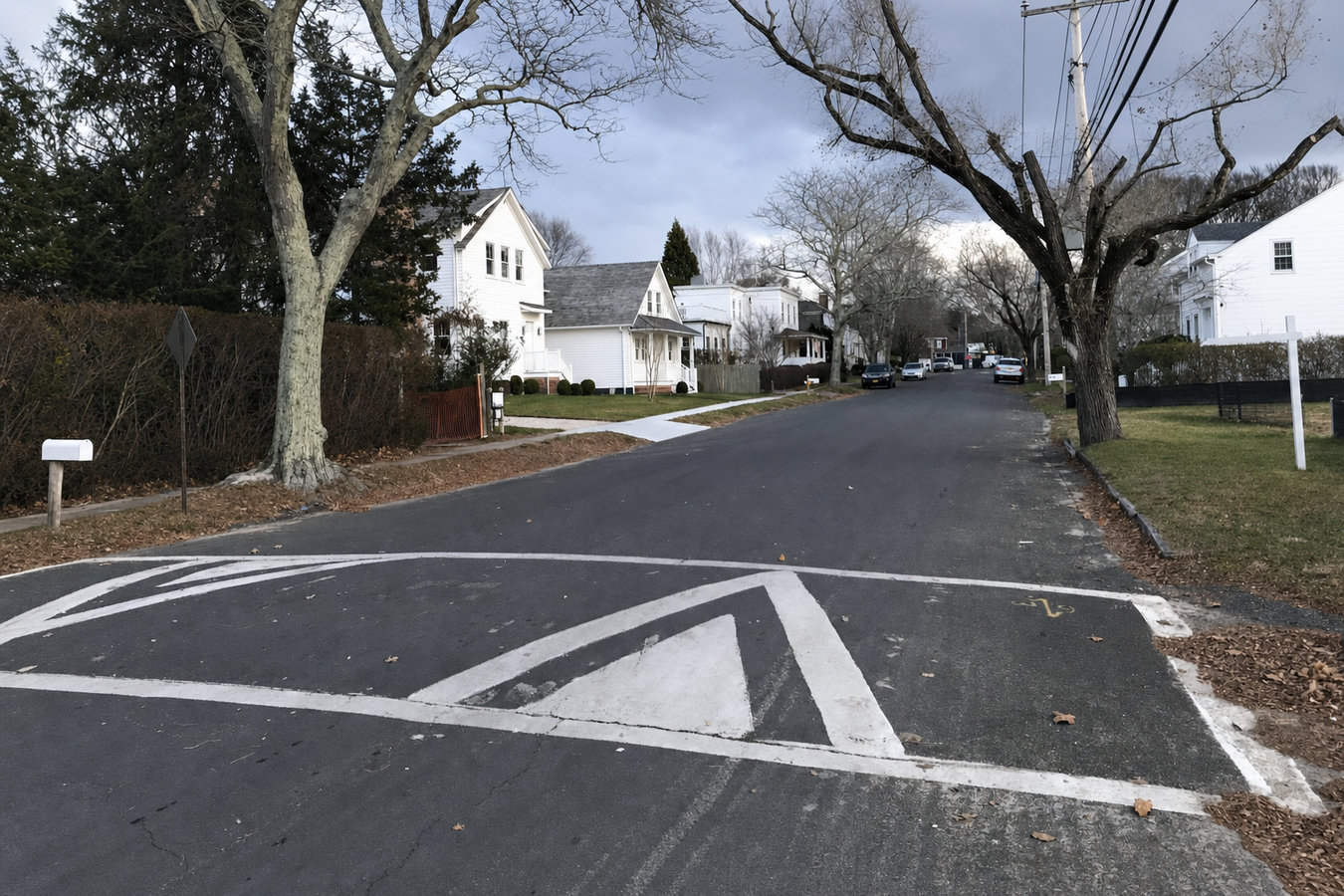
Vehicles moving too fast through your driveway or parking area are a safety problem a sign cannot solve. We install asphalt speed bumps built to handle Flagstaff winters, so the solution holds up year after year.
Speed bump installation in Flagstaff means shaping hot-mix asphalt into a raised ridge across your driveway, parking area, or shared access lane; a single bump on a standard residential driveway typically takes a few hours to install and is ready for normal traffic within a day.
A properly installed bump does what a posted sign cannot: it physically requires every driver to slow down every time they approach, regardless of whether they notice signage or know the property. For Flagstaff homeowners with children, pets, or shared driveways, that reliable physical slowdown is the point. After the bump is installed and the asphalt has had a chance to protect itself through its first winter, adding asphalt sealcoating helps the entire surface, bump included, hold up through the freeze-thaw cycles that wear on any paved feature at this elevation.
Cars that regularly speed through a driveway, parking area, or shared access lane create a safety hazard that posted signs rarely fix. This is especially common on longer driveways or in shared-access neighborhoods where drivers treat the lane like a through street. A bump changes behavior immediately and permanently.
If kids ride bikes near the driveway or pets have access to the yard close to where cars pass, a speed bump provides a physical safeguard that verbal reminders cannot match. In Flagstaff's family-oriented neighborhoods, this is one of the most common reasons homeowners call a paving contractor for this type of work.
Shared driveways and private lanes see more traffic than a single-family driveway, and not all of it is careful. A bump positioned at a blind corner, pedestrian crossing, or parking area entrance sets a consistent safe pace for everyone who uses the space - not just the drivers who already know to slow down.
Flagstaff averages well over 100 inches of snow per year, and icy driveways create real hazards. A speed bump near the base of a sloped driveway or at the entrance to a parking area gives vehicles a natural slow point before they reach the area where people walk - a concern that does not apply in most other Arizona cities.
Not every speed bump should be the same height and profile. We discuss your specific situation before recommending a design, because a bump that works well on a quiet residential driveway may create problems on a shared lane used by low-clearance vehicles or emergency access routes. We can also review whether the existing surface under the bump location is in good enough condition to support the new feature, or whether a section of parking lot paving should be addressed at the same time to get the best long-term result.
After installation, we discuss visibility markings with you - yellow or white paint stripes are a popular and practical choice that helps drivers spot the bump in low light or after a Flagstaff snowfall. That conversation happens before work is scheduled, not after, so there are no surprises on the day of installation.
The right choice for most single-family driveways - a rounded profile that reliably slows passenger vehicles without being aggressive enough to bottom out lower-clearance cars.
A gentler height for shared lanes, emergency-vehicle routes, or areas where a more aggressive bump would create daily inconvenience without a corresponding safety benefit.
Two or more bumps spaced along a longer driveway or private road to create consistent speed control across the full length of the surface, not just at one point.
Yellow or white stripes applied after the asphalt has cured to make the bump clearly visible to drivers, guests, and snow plow operators during Flagstaff winters.
Most asphalt work in Arizona is designed for hot, dry conditions. Flagstaff is different. Sitting at roughly 7,000 feet, the city sees real winters with temperatures that regularly drop below freezing and then warm back up during the day. That freeze-thaw cycle is the single biggest threat to any asphalt installation here, including speed bumps. Water that seeps into gaps at the bump edges can expand when it freezes, pushing the material apart. Proper compaction and edge finishing during installation are not optional extras in this climate - they are what separates a bump that holds up through a Flagstaff winter from one that crumbles by spring. Homeowners in Mountainaire and Munds Park, where elevation and exposure are similar to Flagstaff's, see this distinction clearly after a hard winter.
Monsoon season adds another consideration. Water pooling around the base of a speed bump can undermine the surrounding asphalt over time if drainage is not thought about during installation. We assess how water flows across your surface before positioning a bump, so the installation does not create a new pooling problem. We also work within Flagstaff's seasonal paving window - roughly May through October - when daytime temperatures are warm enough for hot-mix asphalt to be laid and compacted correctly. Scheduling ahead of the busy post-winter season means you get the job done before the summer monsoons arrive.
Call or message us and describe where you want the bump, how many you need, and what the surface looks like. We reply within one business day and ask the right questions so we can give you a useful estimate without wasting your time.
We visit your property to measure the installation width, assess the existing pavement condition, and check drainage patterns and slope. You receive a written quote before any work is scheduled - no surprises.
We schedule the job during a window of reliably warm daytime temperatures, typically late spring through early fall. If you are planning for spring, booking early is wise since the post-winter season fills quickly as homeowners address winter damage.
The crew prepares the surface, shapes and compacts the asphalt to the agreed profile, and cleans up before leaving. We walk the finished bump with you and confirm edge quality and height consistency before calling the job done.
We reply within one business day, visits and estimates are free, and there is no pressure to commit.
(928) 326-9529We compact and finish speed bump edges to withstand Flagstaff's repeated freeze-thaw cycles from November through March. That means the bump profile stays consistent and the edges stay sealed through winters that would crack work built to lower-elevation Arizona standards.
Asphalt does not compact correctly in cold weather. We work within Flagstaff's seasonal window - roughly May through October - so your bump is laid in the temperature conditions that produce proper density and long service life, not just installed quickly and hoped for the best.
Arizona state law requires contractors to hold a current license before performing asphalt paving work. You can verify any contractor's license status directly through the Arizona Registrar of Contractors before a single shovel breaks ground.
Every job starts with a written scope of work and a clear price so you know exactly what you are agreeing to. We stand behind the installation through your first winter season so if edges shift or the profile settles unexpectedly, we address it.
Speed bump installation looks simple, but the difference between a bump that survives five Flagstaff winters and one that crumbles by spring comes down to compaction, edge finishing, and drainage - details that only matter if you have actually worked in this climate. We have, and we build accordingly.
Seal the entire paved surface, including your new speed bump, to protect against freeze-thaw damage and UV exposure.
Learn MoreRepave or expand a parking area before adding speed bumps so the base is solid and the finished surface is consistent.
Learn MorePost-winter schedules fill fast - call us today to lock in your spot and get a free on-site estimate.